BIOGRAPHY OF THE POET AND PRIEST

MIQUEL COSTA I LLOBERA

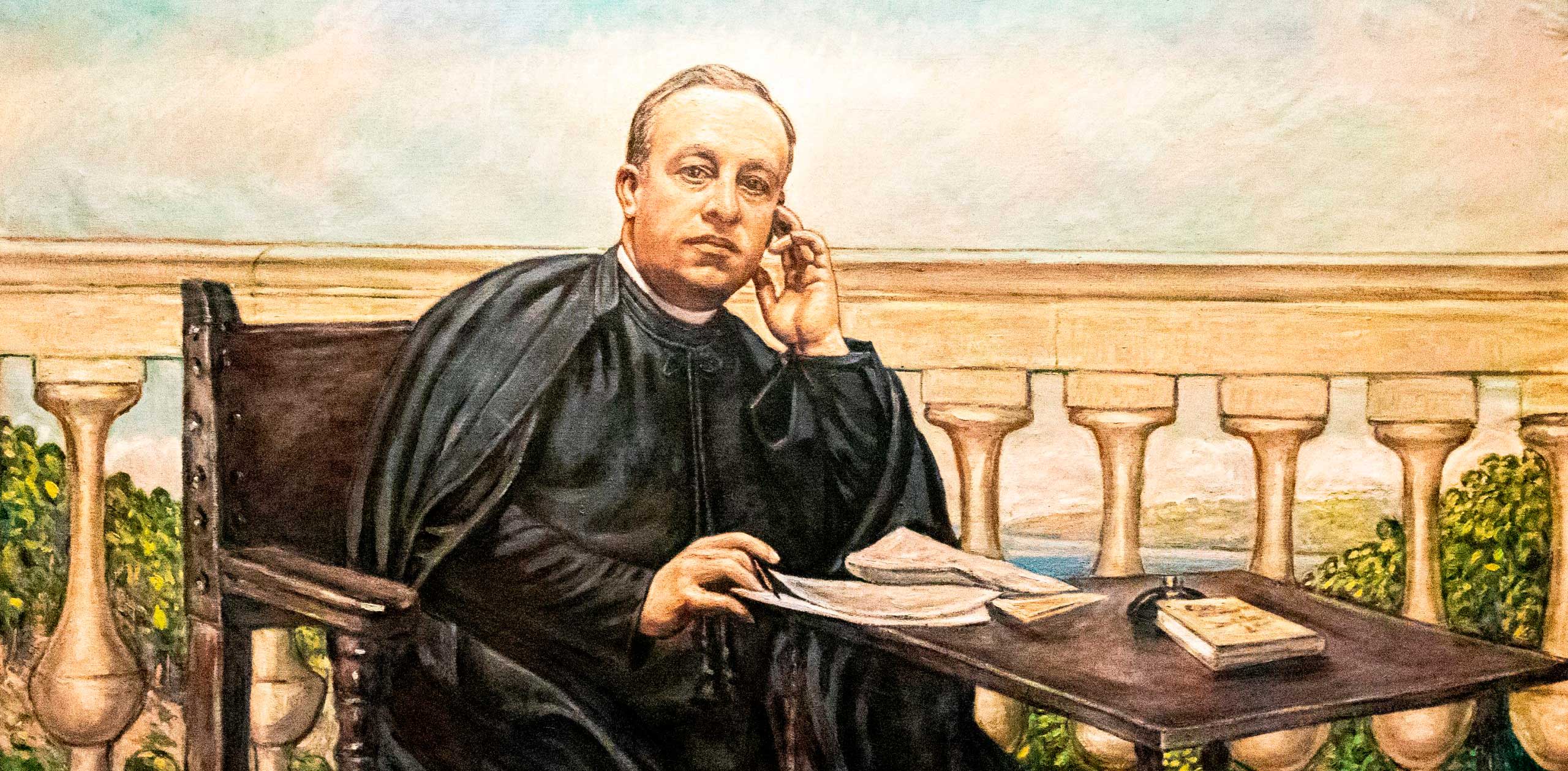
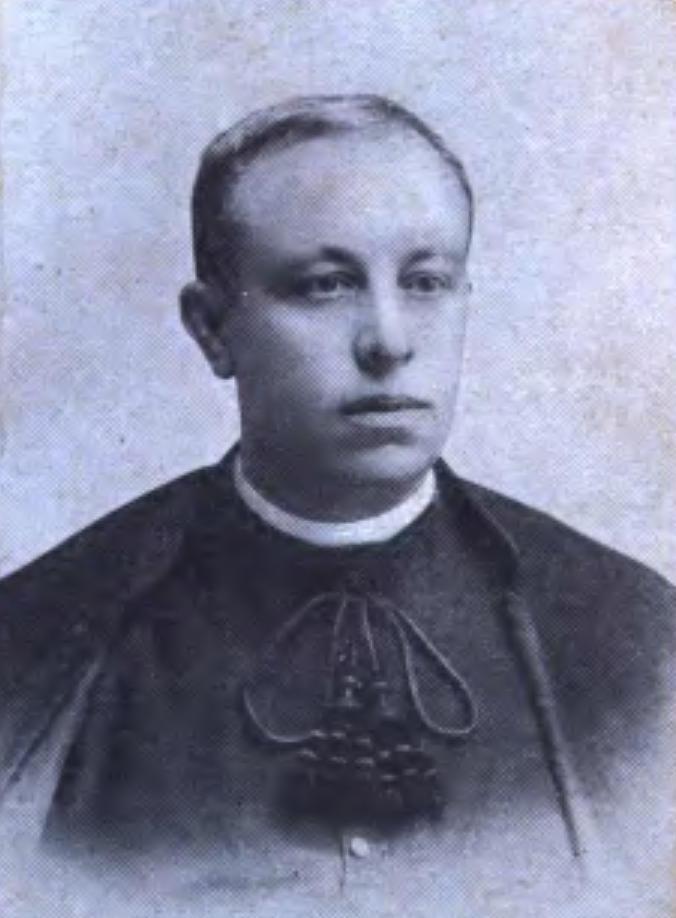
Miquel Costa i Llobera (1854-1922), born at Can Costa in Pollença, is one of the most celebrated figures in Catalan literature. With a body of work shaped by the nature and culture of Mallorca, the poet left a profound mark on the literary tradition, becoming a leading figure of the Renaixença.

The story of the young Mallorcan
poet and priest

Born in Pollença, Mallorca, in 1854, Miquel Costa i Llobera stands as an emblematic figure in Catalan literature of the late 19th and early 20th centuries. A poet, priest and scholar, his work is a tribute to the natural beauty of his homeland as well as to classical tradition, which he skilfully wove into his writing.

Costa i Llobera moved between the currents of modernisme and Catalan classicism, though his style and themes often reflect a deep classicism and a devotion to the Mediterranean landscapes that surrounded him since childhood.

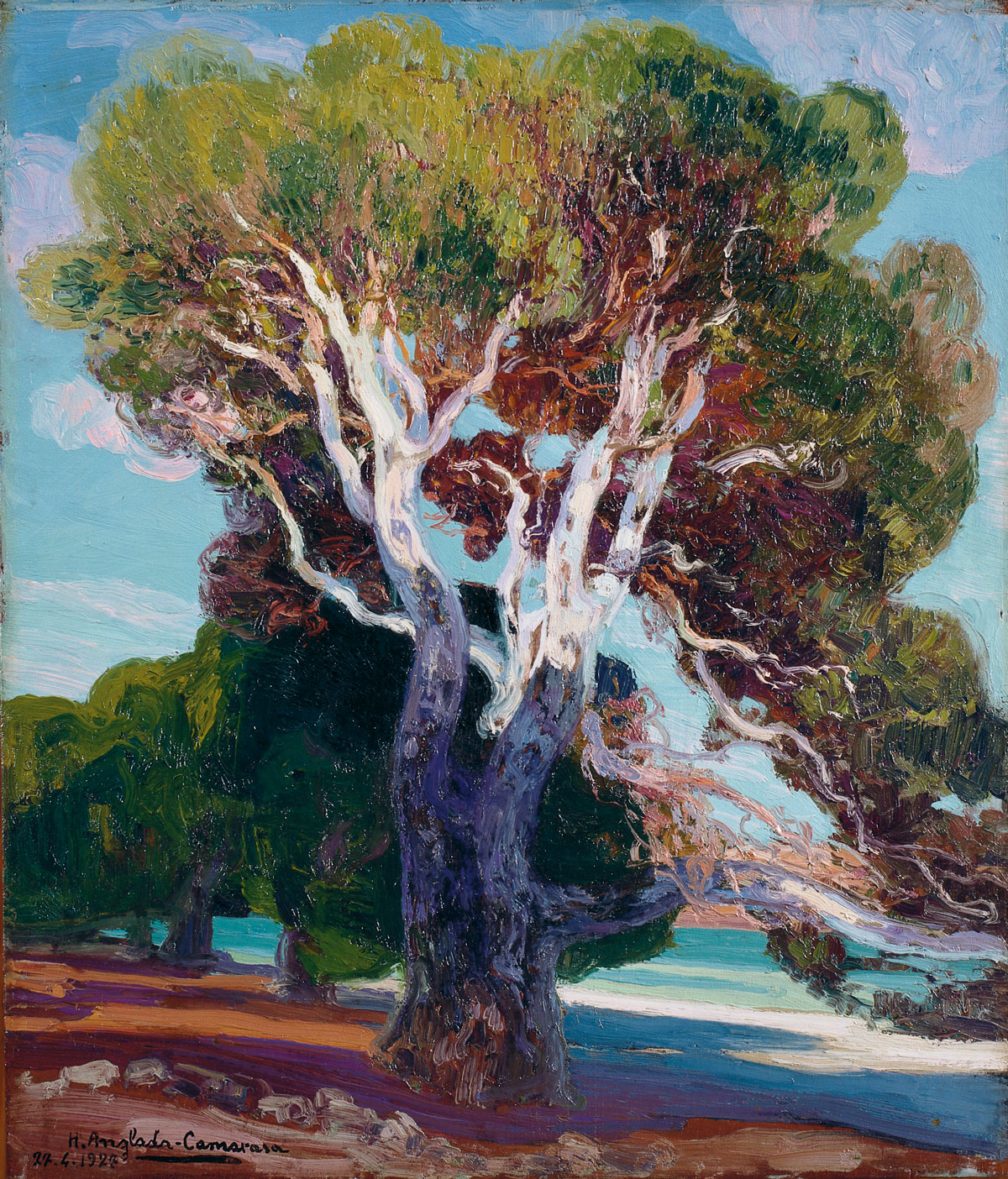
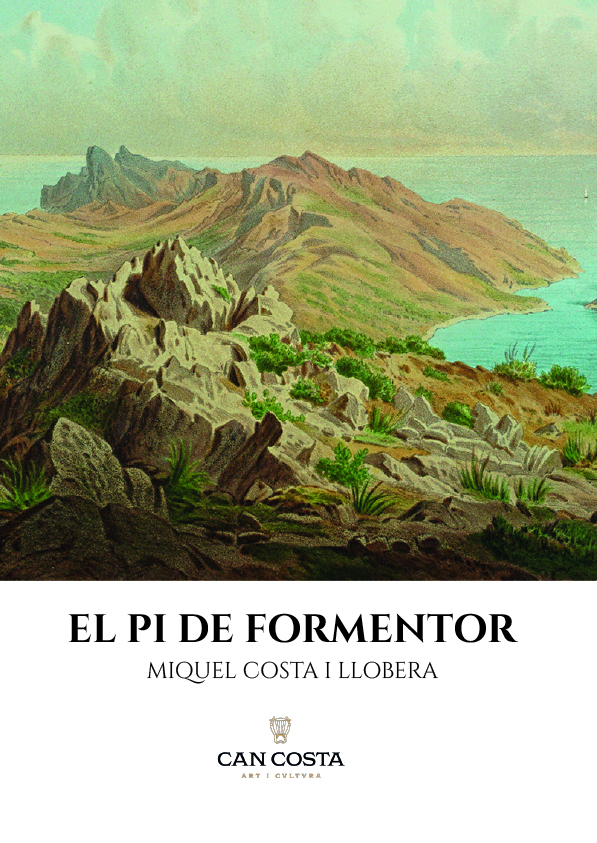
His poem "El Pi de Formentor", written by the author at just 21 years old, is without doubt one of the milestones of Catalan lyric poetry, encapsulating both his love of nature and his technical skill. Through his verses, Costa i Llobera uses the pine tree as a mirror of our own lives: the hardships life presents us with and the courage needed to face adversity, reflected in a tree that survives whatever obstacle stands before it.

Oh yes! When the storm winds roar freely and it seems, amid the foam, that the cliff itself will fall, then it laughs and sings louder than the waves, and, triumphant, shakes its royal mane over the storm clouds.

Verses from El Pi de Formentor – Miquel Costa i Llobera

Miquel Costa i Llobera was born in Pollença, Mallorca, the son of a well-off landowning family. He lost his mother at age 11 and spent his youth deeply influenced by his uncle, the physician Miquel Llobera, who introduced him to the classics and to the local landscape, shaping his future development as a poet. Despite family hardships, he excelled academically, completing his baccalaureate in Palma and studying law in Barcelona.

He took an active part in cultural Catalanism during the Renaixença, a movement that strengthened his identity and his commitment to Catalan culture and language.

His move to Madrid in 1875 to continue his law studies confirmed his disillusionment with the legal world, and he set about broadening his intellectual horizons, delving further into his interest in poetry. His literary work, in which he fused a deep love for his homeland and its landscape with a solid classical education, stands as a lasting testament to his unique sensibility and his devotion to the beauty of nature.
After his time in Paris, where Miquel Costa i Llobera became fascinated with the works of great French and Italian authors such as Victor Hugo and Mistral, he underwent a significant transformation in his life and literary career. Although he found inspiration in works such as Carducci's "Odi barbare", he rejected its pagan influence, considering it far removed from his Christian spirit. This period was crucial in his path toward the priestly vocation, a calling that arose in Pollença and culminated in his move to Rome in 1885 to begin his theology studies.

"El Pi de Formentor" (1875) captured the natural beauty and spiritual essence of Mallorca,

marked by a formal perfectionism that remained a distinctive trait of his poetry. These verses already hinted at two themes that would remain constant throughout his entire literary career: landscape and deep religious feeling. "La vall" (1873) and "El Pi de Formentor" (1875) captured the natural beauty of Mallorca, becoming poetic symbols of the Mediterranean and vehicles for his search for spiritual transcendence.

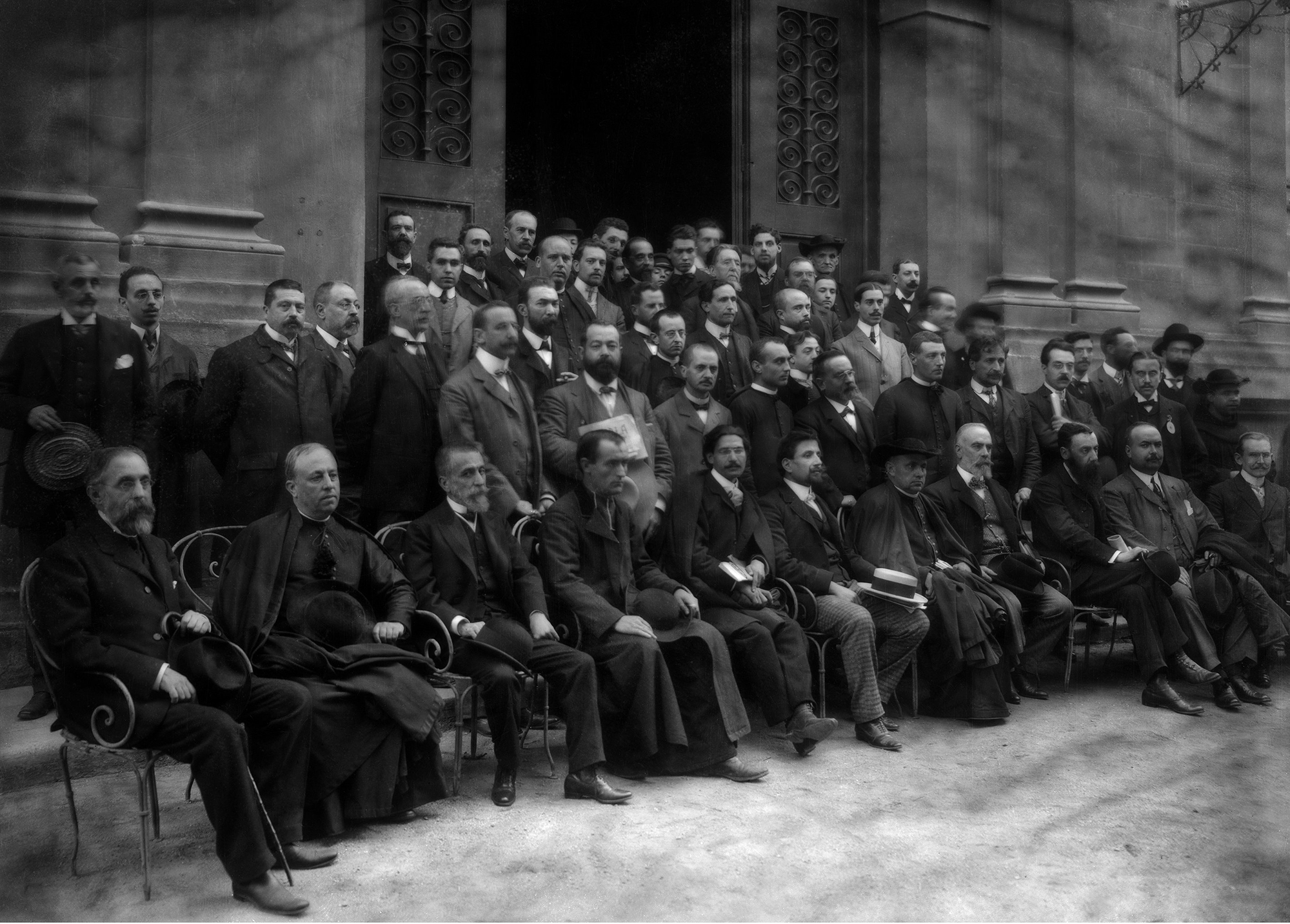
Miquel Costa (second from the left, seated) at the First International Congress of the Catalan Language. Barcelona, 1906.

After his ordination as a priest in 1888, celebrating his first Mass at Loreto, and his academic training in Rome, where he earned a doctorate in theology from the Pontifical Gregorian University in 1889, Miquel Costa i Llobera returned to Mallorca in 1890. There he continued exploring local and universal themes through his work, notably "De l'Agre de la Terra" (1897), a collection of narrative poems such as "La Gerreta del Catiu", "Castell del Rei" and "La Maina", which wove Mallorcan cultural tradition together with popular metrical forms such as the glosa and the romance.

His literary influence crossed the borders of Mallorca with the publication of "Líricas" (1899) in Spanish, praised by critics such as Juan Valera and Marcelino Menéndez y Pelayo, establishing him as one of the great poets of his generation on the Spanish literary scene.

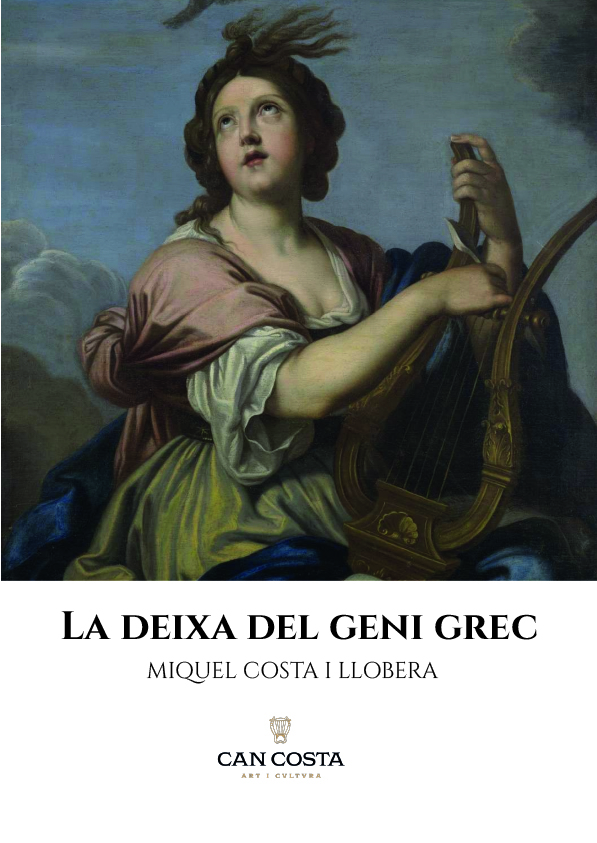
With "La Deixa del Geni Grec" (1901), winner of the Jocs Florals de Barcelona, Costa i Llobera explored epic and mythological themes, further consolidating his literary prestige. His work continued to evolve with "Tradicions i fantasies" (1903), a collection inspired by Mallorcan legends that reinforced his role as a key figure of the Catalan and Spanish Renaixença. Miquel Costa was appointed a member of the Real Academia Española and presided over the Jocs Florals de Mallorca, leaving behind a poetic legacy deeply rooted in his passion for beauty, culture and religion.

"La Deixa del Geni Grec", inspired by his readings of Leconte de Lisle, narrates the adventures of Greek sailors and their encounter with the mythical Nuredduna. In 1902, the poem won a prize at the Jocs Florals de Barcelona. He was also appointed a member of the Real Academia Española de la Lengua (RAE). These honours came on top of his designation, a year earlier, as an illustrious son of Pollença.

Miquel Costa i Llobera achieved notable success in 1906 with the publication of "Horacianes", his most outstanding work. Deeply influenced by his reading of the classics, especially Horace and Virgil, the poet dedicated this collection of poems and odes to the Latin poet Horace. With meticulous language, Costa i Llobera rigorously explored classical poetic and literary forms, offering a set of sixteen poems that sought to reproduce the metres of Greek and Roman lyric poetry.

His prestige grew when he visited Catalonia, receiving numerous tributes from Catalan groups. "Horacianes" was an immediate success, selling out two editions in quick succession. During his stay, he recited his verses in various places, receiving great acclaim and connecting with numerous figures, among them his close friend Antoni Rubió i Lluch, with whom he shared a rich correspondence.

Miquel Costa i Llobera achieved notable success in 1906 with the publication of "Horacianes", his most outstanding work. Deeply influenced by his reading of the classics, especially Horace and Virgil, the poet dedicated this collection of poems and odes to the Latin poet Horace. With meticulous language, Costa i Llobera rigorously explored classical poetic and literary forms, offering a set of sixteen poems that sought to reproduce the metres of Greek and Roman lyric poetry. His prestige grew when he visited Catalonia, receiving numerous tributes from Catalan groups.

"Horacianes" was an immediate success, selling out two editions in quick succession. During his stay, he recited his verses in various places, receiving great acclaim and connecting with numerous figures, among them his close friend Antoni Rubió i Lluch, with whom he shared a rich correspondence.


After the events of the Tragic Week, the poet slowed the pace of his literary output, expressing his sorrow over the social uprisings in Barcelona to his friend Antoni Rubió in a letter dated 22 August 1909. He published two volumes of Via Crucis (1907-1908) and the Sermons panegírics (1916). In 1919 he was named a corresponding member of the Institut d'Estudis Catalans (IEC).

During this period, he translated texts by Virgil, Petrarch, Victor Hugo and Dante Alighieri. Between 1912 and 1922 he translated the Hymns of Prudentius, and between 1907 and 1911 the novels Después de la hora nona, Mirarán hacia Él and Almas celtas, by the French writer Reynés Monlaur. A year before his death, he gave what would be his final lecture, "Dante Alighieri i la seva obra".

On 16 October 1922, he died in the pulpit while preaching the panegyric of Saint Teresa of Jesus.

A TIME FOR READING

POETIC WORK

Discover the poetic work of Miquel Costa i Llobera with our selection of Poems
Subscribe to our newsletter and follow Can Costa’s news, programmes and events.
Subscribe
By subscribing you accept our Privacy Policy and consent to receive updates from our company.
Thank you! Your submission has been received!
Oops! Something went wrong while submitting the form.
© 2025 Can Costa. All rights reserved.